

Doctor-led laser treatments in Cannonvale, informed by a careful assessment of your skin and medical history.
CO2 laser resurfacing uses concentrated laser energy to treat certain types of scarring, sun damage and uneven skin texture. It works by removing microscopic areas of skin tissue, triggering a healing response that can stimulate collagen remodelling.
At Whitsunday Cosmedics Skin Clinic in Cannonvale, we’re constantly investing in our laser suite, including the new Lumenis AcuPulse CO2 laser, which offers different treatment modes and resurfacing levels.
As well as cosmetic skin resurfacing, CO2 laser can be used for selected medical skin concerns, including sun-damaged skin, actinic keratoses (solar keratoses) and certain benign skin lesions.
We begin with a thorough assessment of your skin health and type, medical history, medications, sun exposure and any tendency towards pigmentation changes or abnormal scarring. We also explain the potential risks and the downtime involved after CO2 laser treatment.
Find out if CO2 laser resurfacing is suitable for your skin
CO2 laser resurfacing may be considered for several skin concerns. Its suitability depends on the depth and nature of the concern, as well as your skin type (darker skin types carry a higher risk of pigmentation).

May improve the appearance of certain depressed acne scars by encouraging collagen re-modelling.

Resurfacing can help address roughness and certain superficial irregularities.

Actinic keratoses are rough, scaly patches that develop on sun-exposed skin following cumulative UV exposure.

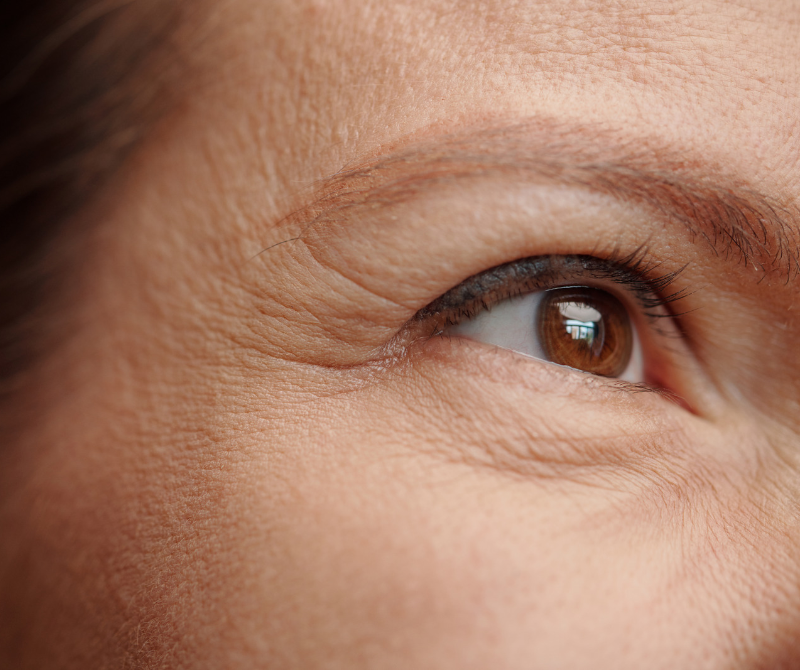
Can soften the appearance of some lines, particularly around the eyes and mouth.

Some surgical or injury-related scars may respond to fractional CO2 laser treatment.

Selected benign skin growths, including skin tags and certain raised or warty lesions, may be suitable for removal using CO2 laser.

Collagen re-modelling may produce modest improvements in skin firmness.

CO2 laser offers different treatment approaches for suitable cases of sun damage, including fractional resurfacing and fully ablative treatment of selected premalignant lesions.
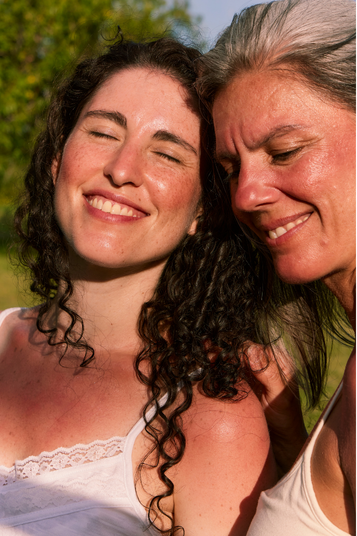
Living in the Whitsundays means plenty of sunshine, but years of UV exposure can contribute to sun damage and the development of various skin lesions.
At Whitsunday Cosmedics Skin Clinic, Dr Melissa McCann offers skin checks and dermatoscopic examinations to assess concerning spots, lesions and areas of sun damage.
Following an assessment, Dr McCann can discuss appropriate management options depending on the nature of the skin concern. These may include:
Assessment of suspicious or changing skin lesions.
Dermatoscopic examination of selected spots and lesions.
Treatment of selected actinic keratoses and other premalignant skin changes.
CO2 laser treatment for suitable benign skin lesions, including skin tags.
Discussion of other treatment options or further investigation where required.
A thorough assessment helps determine the most appropriate approach for your individual skin concerns.
At your CO2 laser consultation, Dr McCann will:
Some patients may only need one treatment, while others may benefit from additional sessions. Initial skin healing generally takes one to two weeks, although redness can last longer. Collagen remodelling continues over several months, so improvements may develop gradually.
After CO2 laser resurfacing, your skin needs time to heal. Following your aftercare instructions is important to reduce the risk of complications, particularly in the sunny Whitsundays. We usually recommend:
Avoid direct sun exposure while your skin heals. Keep the treated area covered and use sunscreen when advised it is safe to do so.
Cleanse the area as directed and apply any recommended ointments or moisturisers. Avoid exfoliants, retinoids and other active skincare products until your skin has recovered.
Don’t pick at peeling skin or crusts, as this can increase the risk of infection and scarring. Avoid swimming, saunas and strenuous exercise until your treating practitioner advises otherwise.
Contact the clinic if you experience increasing pain, spreading redness, discharge or other unexpected symptoms during recovery.

All treatment plans are overseen by experienced doctors, including pre-treatment dermoscopy for clinically significant lesions.

An expansive local suite of lasers including VBeam Prima, PicoWay, Candela Alexandrite, CO2 ablative laser, eMatrix, and Candela Sublative.

All practitioners performing laser treatments are fully laser licensed and trained.

Treatment recommendations are built around your skin's current condition, your lifestyle, sun exposure habits, and your long-term goals.

Based in Whitsunday Plaza, Cannonvale, with ample parking and easy access

We understand life here – in and out of the water, enjoying the sunshine – and we help you minimise its effects on your skin.
Some concerns may be treated in a single session, while others require additional treatments. The number and spacing depend on the treatment settings, your skin’s response and the concern being addressed.
No. Treatment may improve the appearance of certain scars, but complete removal cannot be guaranteed. Different scar types respond differently.
Surface healing usually takes weeks, but collagen remodelling continues over several months. Results vary, and some changes may be subtle.
Active infections, recent tanning or certain medical conditions may make treatment unsuitable.
The duration of results differs between patients. Improvements may persist for years, but ageing and further sun exposure continue to affect the skin.
Fees depend on the treatment area and clinical plan. We’ll discuss costs during your consultation.
Yes. CO2 laser may be used to address certain changes associated with sun damage, including uneven skin texture and selected premalignant lesions such as actinic keratoses. The appropriate treatment depends on the extent and nature of the sun damage.
CO2 laser can be used to remove selected benign skin lesions, including skin tags and certain raised skin growths. A clinical assessment is required before treatment to confirm the nature of the lesion and its suitability for removal.
Yes. Dr Melissa McCann offers skin checks and dermatoscopic examinations to assess concerning spots, lesions and areas of sun damage. Following your assessment, appropriate treatment or further investigation can be discussed.
Treatment options for actinic keratoses may include prescribed topical creams, cryotherapy (liquid nitrogen) and ablative procedures such as CO2 laser. The most appropriate approach depends on the number, location and nature of the lesions, as well as your individual circumstances.
Wondering whether CO2 laser resurfacing is right for your skin? At Whitsunday Cosmedics, we take the time to assess your concerns, explain your treatment options, and discuss what you can realistically expect.
Visit our Cannonvale clinic to speak with Dr McCann about CO2 laser resurfacing, including the potential benefits, risks and recovery involved.